A Kenya safari from Israel is closer and easier than most travelers expect. There is a direct flight, a friendly time zone, and no long haul through a distant hub. The details that actually need planning are different ones. They include visa paperwork, kosher meal logistics, and how to handle Shabbat on a moving itinerary. Touring Insights put together this guide for Israeli travelers weighing a first Kenya trip. It covers the practical questions before the wildlife questions.
Do Israeli Citizens Need a Visa for Kenya?
Yes. Israeli passport holders need an electronic travel authorization (eTA) to enter Kenya. They apply for it online before departure through the official Kenya eTA portal. Kenya moved to this eTA system in 2024, replacing the older visa-on-arrival and e-visa processes for most nationalities. The application asks for passport details, travel dates, and accommodation information, and approval usually arrives within a few business days. Expect a fee in the USD 30 to 35 range, though this changes from time to time. Confirm the current amount on the official portal before paying. Apply at least two weeks ahead of travel. Airlines can deny boarding without an approved eTA. Fixing a rejected application from inside Kenya is far harder than fixing it from home.
Flight Time from Tel Aviv to Nairobi
This is one of the easier long-distance safari routes on the map. Kenya Airways operates a direct flight between Tel Aviv’s Ben Gurion Airport and Jomo Kenyatta International Airport in Nairobi. The flight time runs roughly 5.5 to 6 hours, covering about 4,700 km. There is no need to route through Europe or the Gulf, which most other safari-bound travelers have to do. Israel runs on Israel Daylight Time (UTC+3) for most of the year and Israel Standard Time (UTC+2) in winter. Kenya sits on East Africa Time (UTC+3) year-round, with no daylight saving. That means the two countries are either in the same time zone or just one hour apart. Jet lag is close to a non-issue on arrival.
Best Time of Year to Visit Kenya from Israel
Kenya’s dry seasons run roughly January to March and June to October. They give the clearest game viewing and the easiest driving on unpaved park roads. July through September lines up with the wildebeest migration crossing into the Masai Mara from Tanzania. That overlap makes it Kenya’s peak season, with its highest park fees. This window overlaps with Israeli summer vacation, so it books out early and prices climb. Passover (April) and the Sukkot period (September/October) are also popular travel windows for Israeli families. Both tend to fill lodges fast on the main circuit. Travelers with flexible dates can look at February or late October. Both months stay dry, and both are usually quieter and less expensive than the peak rush.
Language on Safari and Hebrew-Speaking Guides
English and Swahili are Kenya’s official languages. Of the two, English is the working language of the safari industry. Lodges, guides, and park staff all operate in it day to day. Hebrew-speaking guides exist on the main circuit. They are not standard on every departure, especially outside peak season or on shared group vehicles. If a Hebrew-speaking guide matters to your trip, ask for it directly when requesting a quote. Do not assume it by default. Operators such as Trunktrails Safaris list Hebrew-speaking guide options for private departures. Confirm this ahead of booking rather than on arrival.
Kosher Food and Meal Planning on Safari
Kenya’s main safari circuit does not have a kosher-certified lodge network. Most camps run a standard Western-style menu: early breakfast before the game drive, midday lunch, plated dinner. Camps that receive advance notice can usually adapt. They lean on vegetarian, fish-based, or pescatarian dishes. These fit tighter dietary needs more easily than a fully kosher kitchen would. If keeping kosher matters to your trip, flag it with your operator when you book, not on arrival. That gives the camp time to plan the menu. Nairobi has a small but established Jewish community. Travelers spending a night in the city before or after the safari can find kosher-adjacent options there. Those options are not available at bush camps. Packing sealed kosher snacks as a backup for the more remote legs of the trip is a reasonable precaution.
Planning Around Shabbat on a Moving Itinerary
Shabbat-observant travelers need to think about scheduling differently than most Kenya safari guides assume. Camps and lodges do not run religious services and will not adjust game-drive timing on their own. The itinerary has to build this in. One simple approach: book two or three nights at a single camp spanning Friday sundown to Saturday nightfall. Avoid transferring between camps during that window. Travel days involve driving, flying, or vehicle changes that conflict with Shabbat observance. Candles, kiddush wine, and challah are not stocked at bush camps. Travelers who want them need to bring or pre-arrange them through the operator well before departure. Ask specifically whether the camp has hosted Shabbat-observant guests before. Camps that have tend to be more prepared, with quiet indoor space and flexible meal timing.
Money, Costs and Tipping
Kenya’s currency is the Kenyan shilling (KES). US dollars are widely accepted for park fees, lodge bills, and tips, though shillings work better for small local purchases. Bring newer US bills. Some vendors and banks refuse notes printed before 2013 or ones with tears or heavy wear. Israeli shekels are not accepted or easily exchanged inside Kenya. Convert to USD or KES before the trip rather than relying on shekels as a backup currency. Tipping is expected and not built into quoted rates. A common guideline is USD 15 to 20 per day for a driver-guide. Camp staff typically receive USD 10 to 15 per day per couple, though exact norms vary by operator. Credit cards work at larger lodges but not at smaller camps or roadside stops. Carry enough cash for the cash-only moments of the trip.
Where to Go: Top Parks for a First Kenya Safari
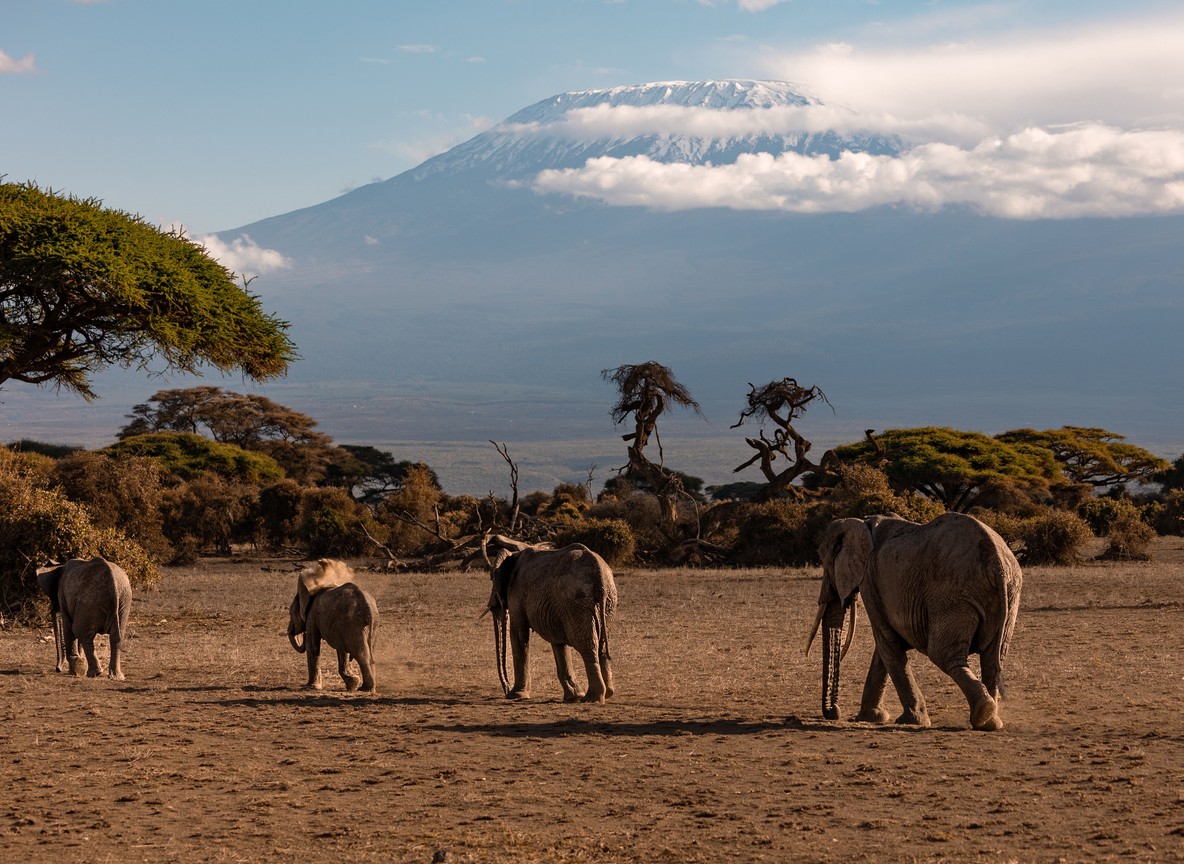
Most first-time itineraries build around two or three parks rather than one. They mix a big-cat and migration destination with an elephant-and-mountain destination. The table below covers the most-visited options with real distances and current entry fees.
| Park | Distance from Nairobi | Drive Time | Non-Resident Daily Fee (2026, indicative) |
|---|---|---|---|
| Masai Mara National Reserve | approx. 270 km | 5-6 hrs (or approx. 45 min by air to Keekorok, Musiara, or Ol Kiombo airstrips) | USD 100/day (Jan-Jun), USD 200/day (Jul-Dec); child 9-17 USD 50 |
| Amboseli National Park | approx. 240 km | 4-5 hrs (or approx. 45 min by air) | USD 90/day |
| Lake Nakuru National Park | approx. 160 km | 2.5-3 hrs | USD 90/day |
| Tsavo East / Tsavo West | approx. 250-330 km | 4-6 hrs | USD 80/day |
Masai Mara fees are highest in the July-to-December peak, when the migration is in the reserve. Gate fees also change without much notice on both circuits. Confirm the current rate through your operator before finalizing a budget.
Packing and Culture Notes for Israeli Travelers
Pack in neutral colors (khaki, olive, tan) for game drives. Bright colors and white can spook wildlife or draw insects. Layers matter more than most travelers expect. Mornings on the Mara plains can sit near 10°C, while midday sun pushes well past 25°C. That swing feels closer to a Tel Aviv summer than a Tel Aviv winter. Sunscreen, a hat, and insect repellent are non-negotiable. Most camps also enforce a strict weight limit, often around 15 kg, for small-plane transfers between parks. Kenyan social norms lean warm and conversational, similar in some ways to Israeli directness. A greeting before a request is standard. Photographing local people without asking first is considered rude in most communities, safari staff included.
Explorer Notes
A few details rarely make it into general Kenya guides but matter specifically for Israeli travelers. First, pack a physical plug adapter. Kenya uses UK-style Type G sockets at 240V, not the Type C or H sockets standard at home. Lodges rarely stock spares. Second, the Tel Aviv-Nairobi direct route makes a short add-on trip easier than most travelers assume. Some visitors extend into a few days on the Kenyan coast (Diani or Watamu) after the safari. That beats flying home straight from the bush, since the domestic connection back to Nairobi is short. Third, confirm your travel insurance covers both the safari activities and any pre-trip vaccinations Kenya requires or recommends. Standard travel policies from home do not always extend automatically to East Africa game drives.
What to Read Next
- Applying for your eTA first? See our Kenya eTA and e-visa guide for safari travelers.
- Still choosing dates? Read our best time to visit Masai Mara month-by-month guide.
- Deciding between parks? Check our Masai Mara vs Amboseli guide.
FAQ
Do Israeli citizens need a visa to visit Kenya? Yes. Israeli passport holders need an approved eTA before travel. It’s applied for online through Kenya’s official eTA portal, typically a few business days ahead of the trip.
Is there a direct flight from Tel Aviv to Nairobi? Yes. Kenya Airways operates a direct route between Ben Gurion Airport and Jomo Kenyatta International Airport. The flight time runs roughly 5.5 to 6 hours.
Can I keep kosher on a Kenya safari? There is no kosher-certified lodge network on the main circuit. Camps that receive advance notice can usually offer vegetarian or fish-based meals. Nairobi has some kosher-adjacent options for city stays before or after the bush portion of the trip.
How do Shabbat-observant travelers handle a safari itinerary? The simplest approach is booking multiple nights at one camp spanning Friday sundown to Saturday nightfall. Avoid transfers during that window, and pre-arrange candles or kiddush wine with the operator in advance.
What is the best month for Israeli travelers to visit Kenya? July through September brings the migration and peak pricing, overlapping with Israeli summer vacation and the Sukkot period. February and late October offer similarly dry weather with smaller crowds and lower park fees.
Ready to turn these details into an actual itinerary? Check the Tour Packages page for current Kenya safari options and operator listings. Look for ones with Hebrew-speaking guide availability and kosher-friendly meal planning on request.